

When you picture a tasting menu at a high-end restaurant, you’re likely imagining stark white tablecloths, a chef wielding stainless-steel tweezers, and patrons whispering over thimble-sized portions of foam.
We have a different idea in mind. We call it the Resistance Tasting Menu.
It isn’t a tour of European terroir or a showcase of molecular gastronomy. We are taking you into a different kind of kitchen, where the heat is oppressive and the chefs are working with the scraps left behind by empire.
On today’s menu is 14 courses highlighting the indigenous mastery of Afro-Caribbean cuisine.
Historically, Afro-Caribbean food rarely gets the respect given to Western fine dining, sidelined instead as resort buffet fare or cheap street eats. The culinary establishment loves to disconnect the genius from the presentation (not to mention the nutrition), framing the results as happy island accidents.
But there is nothing accidental about them. When colonial powers brought ships laden with captives and cheap rations to the Caribbean to fuel their brutal sugar monopolies, they expected submission. What they got was resistance. Enslaved Africans didn’t just survive, they collaborated with Indigenous Taino and Arawak populations to engineer a cuisine that rose up.
So, pull up a chair and forget the Michelin stars. Scotch bonnet and caramelised sugar is wafting in from the kitchen, the jungle rhythm is steady, and your first course is just about ready.
Act I: The Spark
Amouse-Bouche and starters to charm the palette.
Pikliz (Haiti)
We begin in Haiti. It’s only fitting to start the meal with the first free Black republic in the world. Pikliz is a vibrant slaw of cabbage, carrots, and scotch bonnet peppers. Before refrigeration, and under the heat of the Caribbean sun, Haitian cooks utilised sharp acid and extreme spice to preserve their harvest. The result is an uncompromising bite that cuts through heavy starches and fatty cuts. It’s a real wake-up call for the palate and a reminder that flavour doesn’t ask for permission.
Black-Eyed Pea Akara (Pan-Caribbean)
Next, a crispy, spiced black-eyed pea fritter known across the islands as akara or accras. This dish is a miracle of logistics. The black-eyed pea didn’t just casually drift across the Atlantic. Enslaved women braided the seeds into their hair before being forced onto ships, ensuring a piece of West African agricultural heritage survived the Middle Passage. Frying the whipped, spiced batter was a direct transplant of African culinary technology.
Casabe & Bammy (Dominican Republic / Puerto Rico / Jamaica)
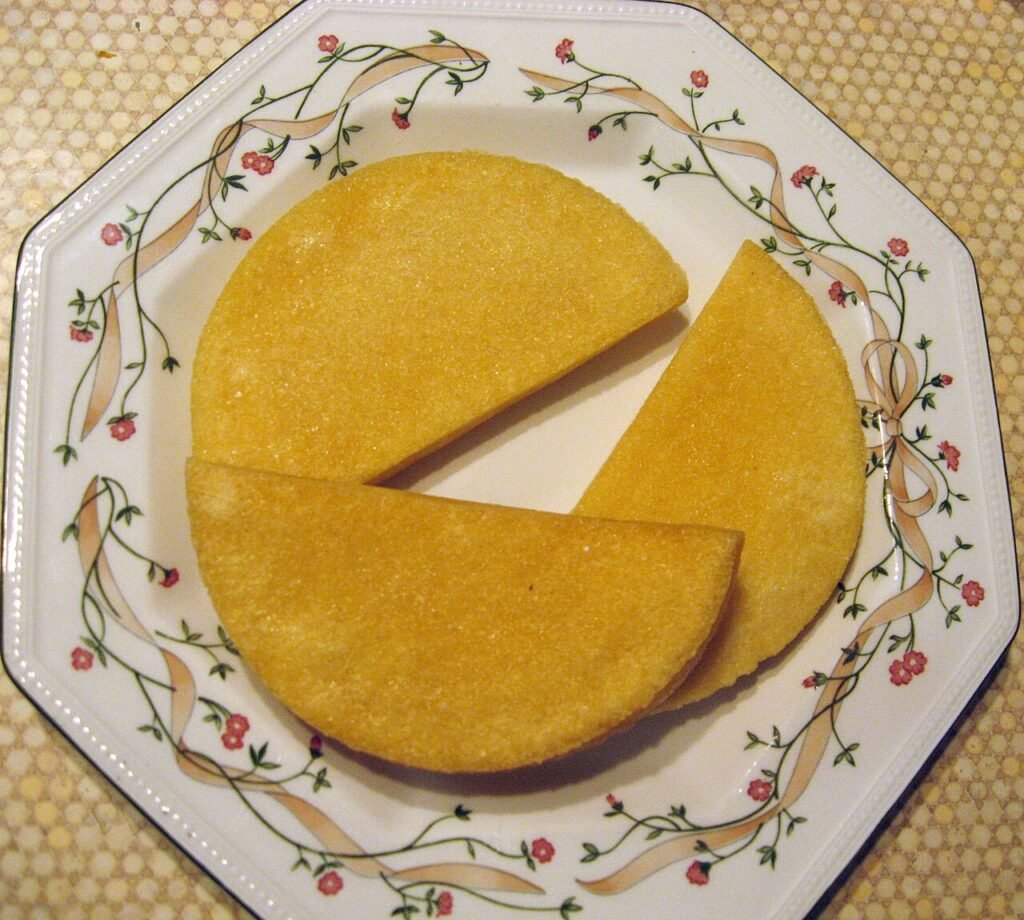
For our bread service, we reject the European wheat loaf. Instead, we serve casabe (known as bammy in Jamaica). Textbooks love to suggest that colonisers brought all the food to the islands. The reality is that enslaved Africans collaborated with Indigenous Taino populations to master the local botany. Specifically, the bitter cassava root, which is packed with lethal cyanide if eaten raw. Together, they utilised indigenous technology to press the poison out of the root, baking the safe result into a shelf-stable flatbread. It provided the nutrient-dense fuel needed to survive the very system trying to work them to death.
Doubles (Trinidad & Tobago)
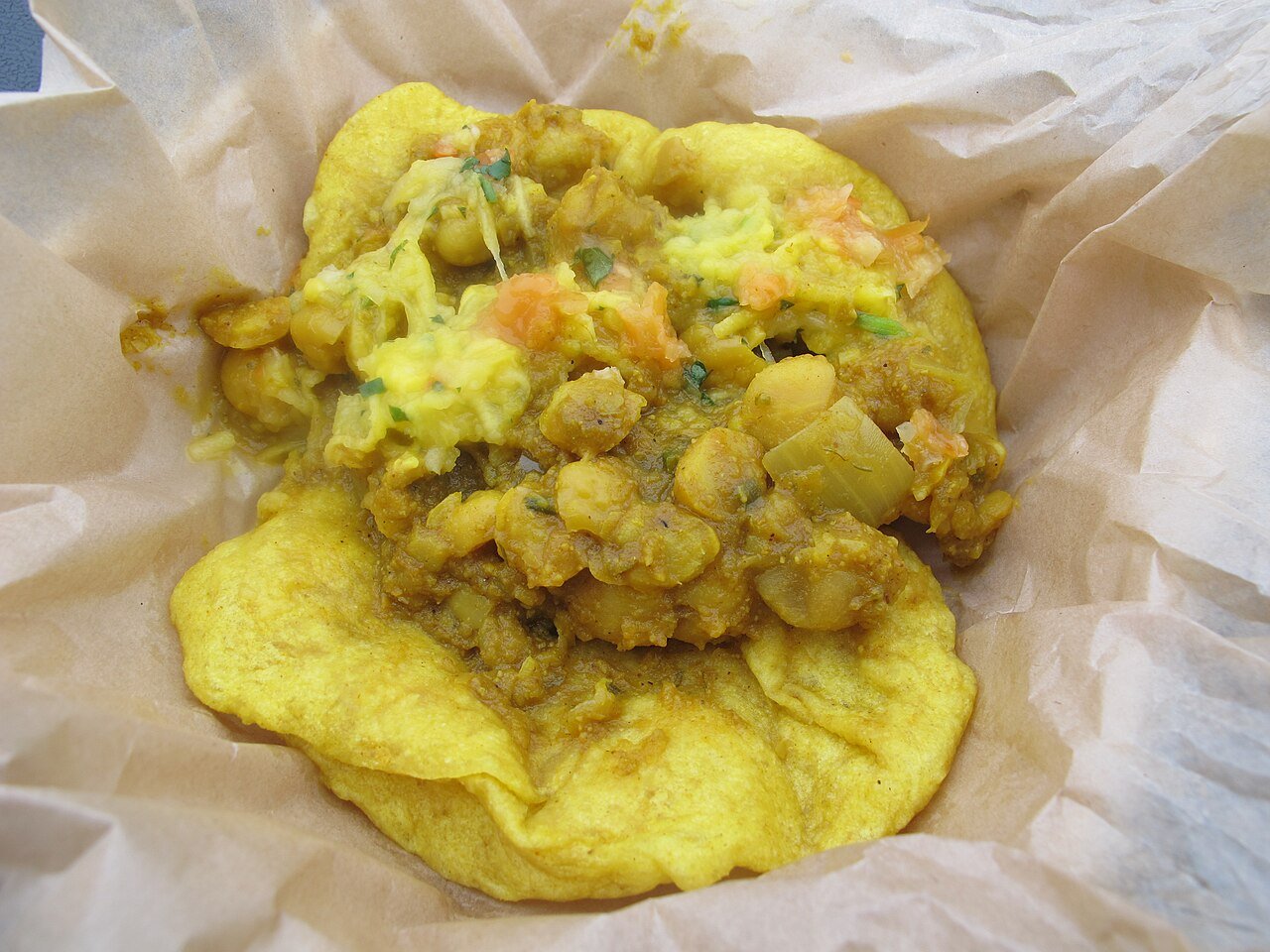
We finish the first act on the streets of Port of Spain. Doubles is simple in theory: curried chickpeas (channa) sandwiched between two fried flatbreads (bara), hit with cucumber chutney and pepper sauce. But historically, it is the intersection of the margins. While British plantation owners drank imported tea in their great houses, the workers in the fields were engineering a handheld revolution. This dish is a monument to the shared survival of emancipated Africans and indentured Indians. It takes cumin and turmeric from the East, marries them to the Caribbean scotch bonnet, and serves it up as a defiant bite.
Act II: The Roots
A soup and a stew to get you ready for the main courses.
Callaloo (Pan-Caribbean)
First up for our soup course, we need to correct some terminology. Stop calling Callaloo “Caribbean spinach.” It diminishes a profound act of adaptation. When enslaved West Africans were brought to the islands, they didn’t have access to the familiar greens of home. Instead, they identified local, resilient leafy greens—like amaranth and the broad leaves of the taro (dasheen) plant—and applied ancestral slow-stewing techniques. Blended with okra, scallions, and fresh coconut milk, Callaloo isn’t just a side dish. It is an iron-rich fortress of nutrition that fueled generations of grueling physical labor when the plantation owners provided little else.
Ital Stew (Jamaica)
To follow, a bowl that represents the original anti-colonial diet. Decades before the West commodified “clean eating” and bottled it for $15 a juice, the Rastafari movement in Jamaica formulated Ital (derived from “vital”) living. It was an explicit, radical rejection of the colonial system and its imported, salted, canned, and processed foods. An authentic Ital Stew relies entirely on hearty root vegetables, fresh thyme, scotch bonnet, and rich coconut milk. It’s completely vegan and naturally salt-free, proving that eating straight from the soil isn’t just a health choice; it’s a political statement.
Act III: The Foundation
A selection of main dishes that leave room for dessert.
Mofongo (Puerto Rico)
We move to the heavy-hitters with a Puerto Rican staple. Plantains were brought to the Caribbean by colonisers specifically to serve as cheap calories for enslaved populations. The oppressor provided the ingredient, but the oppressed provided the genius. The technique of aggressively mashing the green plantain in a wooden pilón with garlic and oil is pure West African fufu methodology. Mofongo is the colonial weapon, thoroughly disarmed and repurposed into a masterpiece of texture and flavour.
Cou-Cou / Fungi (Barbados / Antigua)
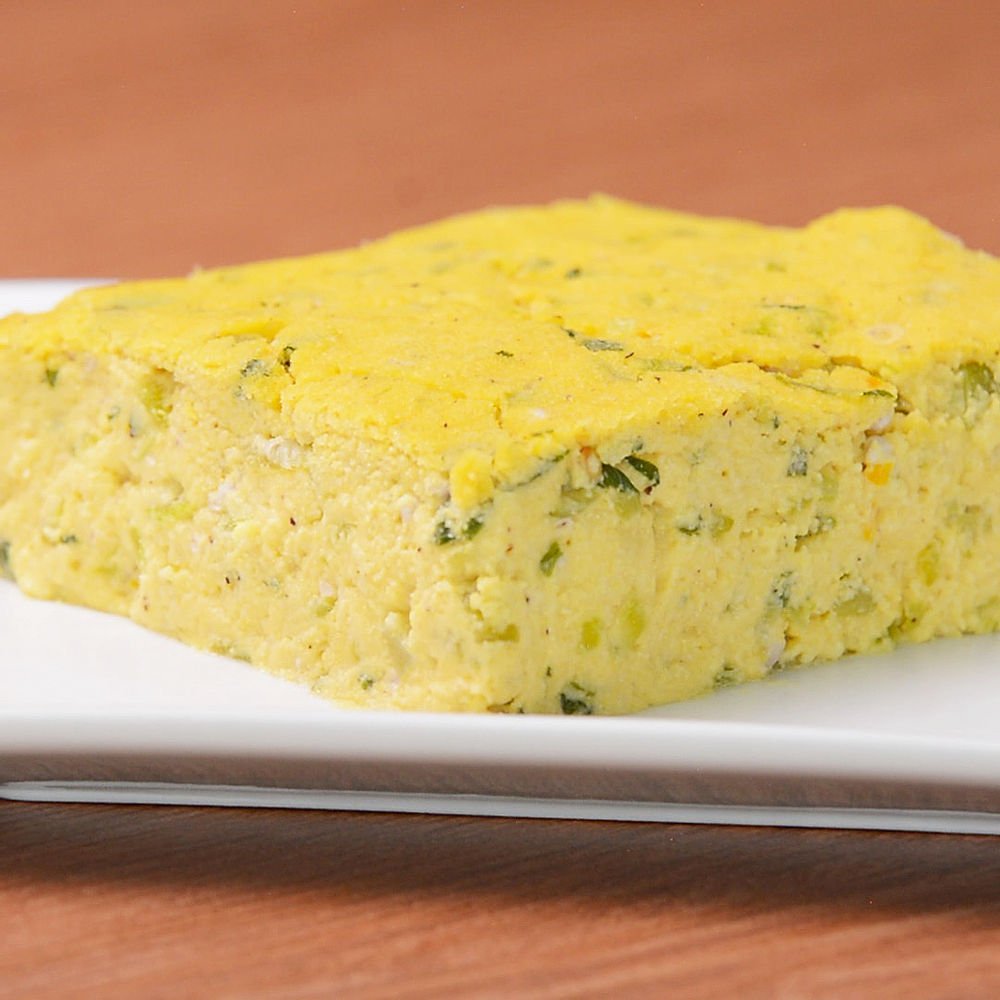
Next is a lesson in spinning gold from rations. When the British systematically rationed out imported cornmeal to the enslaved, Afro-Caribbean cooks refused to settle for gruel. They combined the cornmeal with okra—a seed brought directly from Africa—and stirred it constantly until it formed a smooth, savory pudding. Known as cou-cou in Barbados and fungi in Antigua, it recreated the comforting, filling textures of the West African diet using the meager ingredients authorised by the plantation.
Ackee (Jamaica)
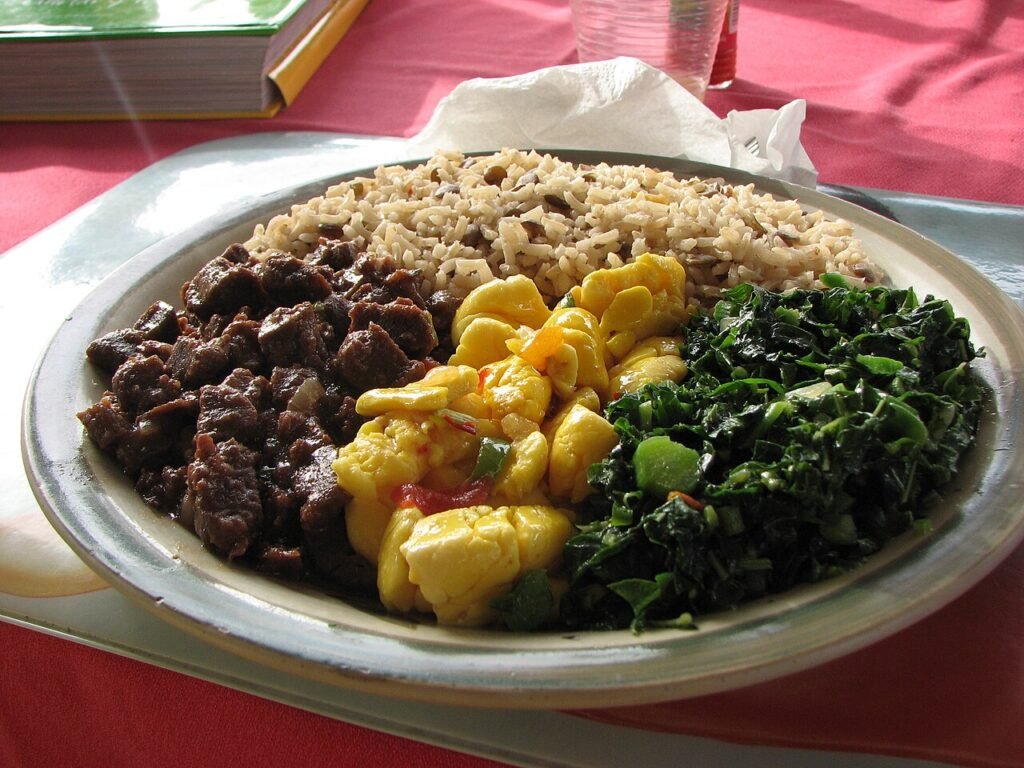
For this course, we are serving sautéed ackee entirely on its own, ditching the traditional salted cod to focus strictly on the fruit. Ackee’s journey to the Caribbean is tied to William Bligh, the infamous captain of the Breadfruit Heist. It’s highly toxic if forced open early. It only becomes edible—revealing a rich, buttery, scrambled-egg texture—when allowed to ripen and open on its own time. It is the perfect culinary symbol for a people who absolutely refuse to be rushed or forced.
Coconut Rice and Gungo Peas (Pan-Caribbean)
The Pan-Caribbean Sunday staple of rice and peas (often utilising the resilient gungo pea) is nutrition at its finest. Combining legumes and rice creates a complete, meatless protein profile. Furthermore, the use of hand-pressed coconut milk provided the rich, essential fats that the European-controlled meat markets denied the local population. Make no mistake: this isn’t the side dish that the culinary establishment would have you believe.
Burnt Sugar Pelau (Trinidad / Grenada)
We close the main courses by burning the plantation. Sugar was the very crop that fueled the enslavement of millions. In dishes like the Trinbagonian pelau, cooks developed a technique called “browning.” They intentionally burned sugar in smoking hot oil to create a savory, complex base for their rice and pigeon peas. Taking the very commodity that kept them in chains and literally setting fire to it to build the foundation of their own meals is a delicious irony.
Act IV: The Sweet Defiance
A trio of palate cleansers and desserts to finish with.
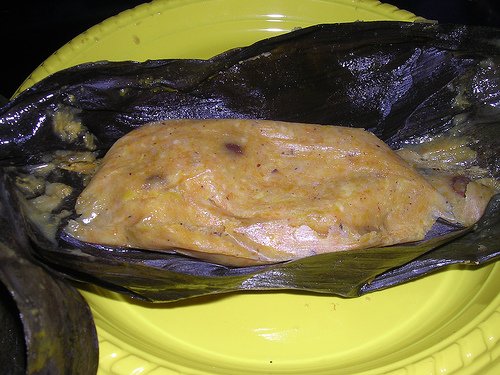
Ducana & Conkies (Antigua / Barbados)
Ducana (or Conkies in Barbados) is a dense, sweet pudding of grated sweet potato, coconut, and cornmeal. But the genius is in the vessel. Wrapped tightly in indigenous banana leaves and boiled, the leaf doesn’t just protect the food; it imparts a subtle, earthy flavour into the pudding. It’s a masterclass in utilising the immediate environment when you have been stripped of traditional kitchenware.
Tamarind Balls (Pan-Caribbean)
Next, a palate cleanser with teeth. The tamarind tree made the brutal journey from Africa to the Caribbean and thrived in the tropical heat. Rolled in sugar, these sticky spheres of tart tamarind pulp bypass the bland European palate entirely. It has a sharp, sour, and unapologetic flavour profile. A candy that refuses to be mellowed out for mass consumption.
Soursop Sorbet (Pan-Caribbean)
We finish with something cold. A creamy, icy sorbet made from the spiky, prehistoric-looking soursop. Right now, the Western pharmaceutical industry is spending millions trying to isolate soursop compounds for cancer research, acting as if they’ve found a brand-new medical miracle. Meanwhile, island grandmothers have been using the fruit, the bark, and the leaves to heal, soothe, and nourish for centuries. Serving it as a final course is a nod to the knowledge that food and healing are often the exact same thing.
The Check
It’s time to bring the check.
If this tasting menu proves anything, it is that true culinary greatness isn’t born in a sterile test kitchen. It is forged in the fire of necessity. The history of Afro-Caribbean food is the history of a people who took the worst the world had to offer and transformed it into a legacy of flavour and survival.
If you ever encounter these dishes—whether at a street stall in Kingston, a family kitchen in Brooklyn, or a food truck in London—take a moment to understand everything that made them possible.