












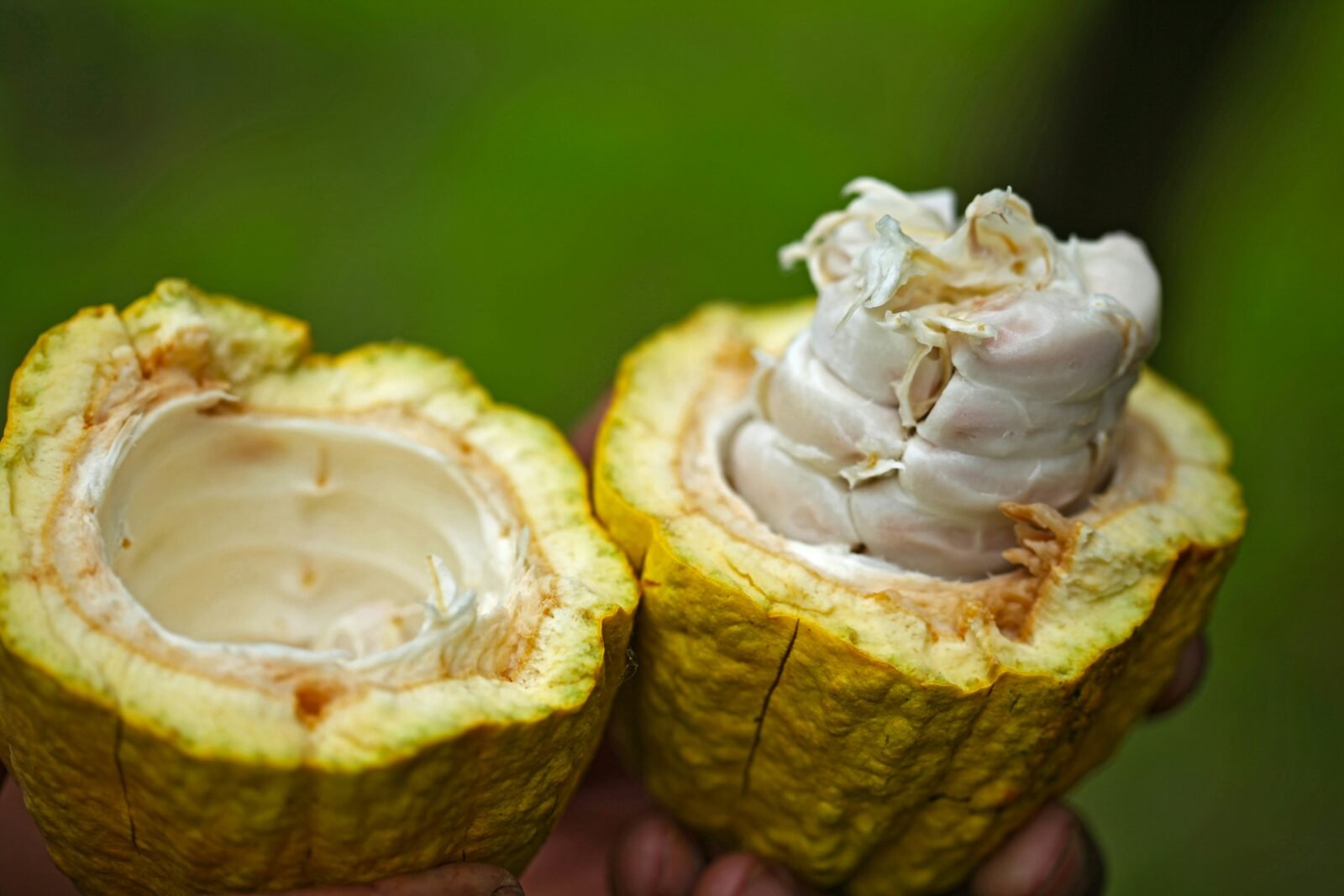
Venezuelan Cocoa

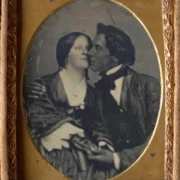
On a humid morning in 1730, just off the coast of Puerto Cabello, Venezuela, a smallholder cocoa farmer—cacaotero, his boat laden with cocoa, rows in search of a Dutch trader to buy his harvest. He isn’t looking for trouble, just a fair price.
When a heavily armed vessel appears flying the flag of the Real Compañía Guipuzcoana de Caracas, he realizes that it’s too late. Before he can turn back, the company’s soldiers board his boat and seize his cocoa. Contraband, they say, because the farmer didn’t sell it to them for the pittance they offered. This is the Guipuzcoana monopoly in action. The soldiers of its private police force, the Guardia Costa, hunt down uncooperative cocoa farmers to enforce a cruel system designed to enrich Europe and prevent the rise of a local chocolate industry.
By the time the monopoly is finally dissolved decades later, the blueprint for cocoa extraction has been baked into the soil. The message is clear: the tropics do the labor, the empires take the profit. This bit of history is why, three centuries later, we are still asking the same question: Why is the world’s best cocoa still struggling to find its way home?
A Basque Monopoly
When the Spanish Crown handed a group of Basque businessmen a total monopoly over Venezuelan cocoa in 1728, it didn’t just want the raw material. What it wanted was to impose a system not unfamiliar to colonial powers at the time: treat the colonies as a plantation, add all the value in Europe, and take all the profit.
But it went a step further. The Spanish Crown wanted to make sure the other colonial powers, specifically the Dutch and the English, had no access. That kind of competition was bad for profit margins. So, as part of the monopoly, the Basque company, Real Compañía Guipuzcoana de Caracas, had the legal right to seize any ship, burn any cargo, and arrest any farmer who dared to sell his crop to the wrong person.
Of course, this didn’t stop the British and Dutch from trying. They knew the real value of Venezuelan cocoa and offered a decent price to the cacaoteros. Hence the need for the feared *Guardia Costa.
The other target in the monopoly’s cross-hairs was local cocoa processors. Adding value at source was also bad for profit margins. Can’t have Venezuelan chocolate undercutting the European market, can we? Local processing was therefore banned. Venezuelans could grow cocoa and sell it to the Compañía, or suffer the consequences. This reality is etched into the very docks of Caracas: *The tropics provide the labor, but the North provides the “value.”
The monopoly dissolved, but the architecture it built did not. No Guardia Costa patrols these waters anymore, but the logic it enforced — grow here, profit elsewhere — found new enforcers: commodity markets, certification schemes, and the slow violence of a global pricing system designed by the people who buy, not the people who grow. Three centuries on, the cacaotero is still rowing.
What's Your Reaction?
